Rome, Italy
Rome: The Eternal (Accessible) City
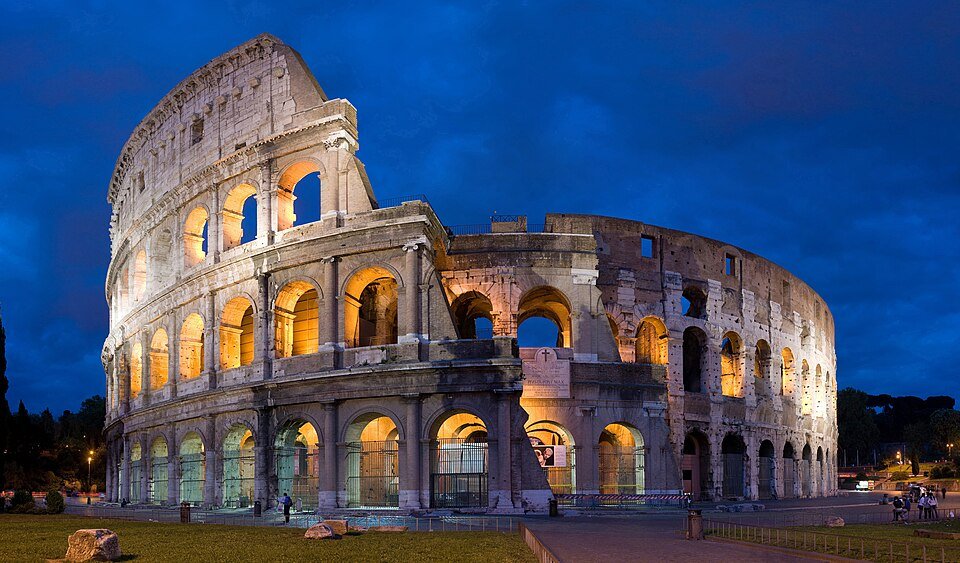
Rome is one of the world's most spectacular cities, but its ancient streets present real challenges for travelers with mobility needs. Cobblestones are everywhere in the historic center, the metro system has limited accessible stations, and many buildings are centuries old with narrow doorways and stairs. That said, Rome has made significant improvements in recent years, and with proper planning, wheelchair users and travelers with limited mobility can experience the Colosseum, Vatican, Pantheon, and much more. The key is knowing which routes to take, which entrances to use, and when to visit.
Getting Around
From the Airport
Rome Fiumicino (FCO) airport is modern and well-equipped for wheelchair travelers, with dedicated assistance staff who will personally guide you through the terminal. Request assistance when booking your flight. The Leonardo Express train to Termini station is accessible but can be crowded — consider booking a wheelchair-accessible van transfer (approximately €130 each way) for a more comfortable experience.
Public Transit
Rome's metro system (Metro A and B) has limited accessibility. Many stations lack elevators, and those that have them may be out of service. The newer Metro C line is fully accessible. City buses are a better option — many routes have low-floor buses with ramps, though service can be inconsistent. Accessible taxis are available but expensive and should be booked in advance.
💡 Pro Tip
The hop-on-hop-off accessible bus tours (around €25/day) are one of the best ways for wheelchair users to get between major attractions without dealing with cobblestones and metro stairs. Consider using them as transportation, not just sightseeing.
Streets & Sidewalks
This is Rome's biggest accessibility challenge. The historic center around the Pantheon, Campo de' Fiori, Trevi Fountain, and Spanish Steps is paved with rough cobblestones (sampietrini) that are extremely difficult for wheelchair users. Main streets tend to have smoother paved sidewalks. Power wheelchair and mobility scooter users should stay centrally so they can roll to major sites without relying on transit. Manual wheelchair users may want accommodations outside the worst cobblestone zones.
⚠️ Watch Out
Even on seemingly flat routes, you may encounter unexpected flights of stairs with no alternative ramp. Always check routes on Google Street View before heading out, and leave extra time for detours.
Major Attractions
🏟️ The Colosseum
The ground floor is fully wheelchair accessible with a dedicated entrance. An elevator provides access to the second level. Visitors with disabilities and one companion receive free admission — bring documentation. Book accessible tours in advance through the official website. The nearby Arch of Constantine is viewable from level ground.
⛪ Vatican Museums & Sistine Chapel
The standard group tour route involves stairs and is not wheelchair accessible. Wheelchair users follow a separate roped-off route, with staff escorting you plus one companion to the Sistine Chapel. The overall route is about 1.5 km (1 mile). Book an accessible tour through a specialized company rather than the Vatican's own group tour, as outside guides are far more experienced with the accessible route. Visit in the afternoon when crowds are thinner.
⛪ St. Peter's Basilica
The wheelchair entrance is in St. Peter's Square, to the right of the main facade. A lift takes you from square level to the Portico level. The interior is spacious and fully accessible at ground level. Admission is free for all visitors, and wheelchair users can skip the queue. Accessible restrooms are available inside. Note: the dome climb is not wheelchair accessible.
🏛️ The Pantheon
The Pantheon has a flat entrance and spacious interior — one of Rome's most wheelchair-friendly ancient sites. The surrounding Piazza della Rotonda is also relatively smooth. Free admission.
⛲ Trevi Fountain
The fountain itself is viewable from street level, but the small piazza gets extremely crowded, making wheelchair navigation difficult. Visit early morning or late evening for the best experience. The surrounding streets are cobblestoned.
🏛️ Roman Forum & Palatine Hill
The Forum has gravel paths and uneven ancient stone surfaces. A limited accessible route exists at ground level, but much of the site requires navigating rough terrain. The Palatine Hill is largely inaccessible without specialized assistance. Some tour companies offer a portable "Wheely Trekky" chair designed for rough terrain.
Best Neighborhoods
Choosing the right neighborhood can make or break an accessible Rome trip. Here are the best areas to base yourself:
📍 Near Termini Station
The area around Rome's main train station has the widest, smoothest sidewalks and the best transit connections. It's not the most charming neighborhood, but it's practical. Many accessible hotels are located here, including chains with ADA-style rooms.
📍 Prati (Near the Vatican)
The neighborhood just east of the Vatican has wide boulevards, smooth sidewalks, and is relatively flat. Great restaurant options and easy rolling distance to St. Peter's. A strong choice for wheelchair users.
📍 Trastevere
This charming neighborhood across the Tiber has some cobblestones but also wider, smoother main streets. Piazza Santa Maria in Trastevere is large and fairly flat. Known for excellent food at reasonable prices. Manageable for power wheelchair users on main routes.
💡 Hotel Tip
When booking, always ask: How many steps are there before the elevator? Many older Roman buildings have a flight of stairs before the lift begins. Also ask for photos of the bathroom — "accessible" can mean very different things in Italy.
Dining
Romans live to eat. Most restaurants in tourist areas have at least one accessible entrance, but call ahead to confirm. Outdoor terracing is common in warm months, which tends to be more accessible than cramped indoor spaces.
🍝 Where to Eat
Restaurants near the Colosseum tend to be accessible with outdoor seating — try the side streets one block from the main drag for better prices. In Trastevere, Pizzeria Ai Marmi offers excellent thin-crust Roman pizza at street-side tables. The Prati neighborhood near the Vatican has many modern restaurants with step-free entry. For a splurge, rooftop restaurants at accessible hotels offer stunning views — the Mercure Roma Centro Colosseo's rooftop is particularly recommended.
💡 Pro Tip
Many Italian museums, churches, and attractions offer free or discounted admission for visitors with disabilities. Bring your documentation — policies vary by venue but it's always worth asking.
Resources
These organizations specialize in accessible travel in Rome:
- Sage Traveling — European disabled travel experts with detailed Rome guides, accessible hotel reviews, and bookable wheelchair-accessible tours
- Accessible Italian Holiday — Personalized accessible tours throughout Italy
- Rome and Italy Tours — Offers the "Wheely Trekky" portable chair for rough terrain sites like the Palatine Hill
- WheelchairTravel.org — Independent reviews of Rome's attractions, hotels, and transit from a power wheelchair user's perspective
Terrain & Surface Guide
Understanding Rome's surfaces is critical for planning — not just for wheelchair users but anyone with mobility, balance, or stamina concerns.
🪨 Cobblestones (Sampietrini)
Rome's historic center is covered in sampietrini — small, rough basalt cobblestones. They are everywhere around the Pantheon, Campo de' Fiori, Trevi Fountain, and Spanish Steps areas. These are challenging for: wheelchairs (manual chairs vibrate intensely), walkers/rollators, canes (stones shift underfoot), strollers, and anyone with balance or joint issues. The main boulevards (Via del Corso, Via Nazionale, Via dei Fori Imperiali) tend to have smoother paved sidewalks — plan routes along these where possible.
📏 Distances
Rome's main attractions are spread across a large area. Colosseum to Vatican: 2.2 mi (3.5 km, 45 min walk). Colosseum to Trevi Fountain: 0.93 mi (1.5 km). Trevi Fountain to Pantheon: 0.37 mi (600 m). Vatican to Piazza Navona: 0.93 mi (1.5 km). For anyone with limited stamina, plan rest stops or use the hop-on-hop-off bus between areas.
⛰️ Elevation Changes
Rome is built on seven hills. The areas around the Colosseum, Palatine Hill, and Vatican (Vatican Hill) involve elevation changes. The flattest areas are: Via del Corso corridor, the Pantheon/Piazza Navona area, and Trastevere's main streets along the river. The steepest areas: the path from the Colosseum to the Palatine Hill, the climb to Piazza del Campidoglio, and the approach to Castel Sant'Angelo from the east.
🚶 Step Counts at Key Sites
St. Peter's Dome: 551 steps (320 with elevator to first level, then 231 narrow spiral steps — no wheelchair access). Spanish Steps: 135 steps (no elevator or ramp). Castel Sant'Angelo: Ramp to the first level, then 400 steps to the terrace (elevator being planned). Palatine Hill: Multiple stairways throughout. Colosseum upper levels: Elevator to 2nd level, no access to 3rd level. Pantheon: Zero steps — completely flat entry.
⚠️ Sidewalk Obstacles
Roman sidewalks frequently have: parked cars and motorcycles blocking the path, tree roots lifting pavement, sudden drops or missing sections, very narrow passages (some under 3 ft (1 m)), and bollards. Always have an alternative route in mind and leave extra time for detours.
Sensory & Non-Mobility Access
Visual Impairment
👁️ Tactile Experiences
The Colosseum, Roman Forum, and Palatine Hill now have tactile panels throughout — 3D reproductions and floor plans designed under a "Design for All" philosophy. The free Y&Co app provides audio descriptions linked to QR codes along the tactile itineraries, making these ancient sites accessible to blind and low-vision visitors. The Vatican Museums offer a special tactile tour service — "Touching the Masterpieces" — allowing visually impaired visitors to touch selected sculptures and reproductions. Braille guides are available at the Vatican. St. Peter's Basilica's Digital Audio Guide is designed for blind visitors with detailed audio descriptions.
🦮 Guide Dogs
Service and guide dogs are welcome at all Italian museums, churches, and public buildings by law. Carry your dog's official documentation. Water bowls are available at most major museums. The Vatican Museums, Colosseum, and all state museums allow guide dogs.
Hearing Impairment
🦻 Hearing Access
The Vatican Museums offer sign language tours (Italian Sign Language, with some international options — contact in advance). Video guides specifically designed for deaf and hard of hearing visitors are available. The Colosseum audio guide app has a text/visual mode. St. Peter's Basilica's Digital Audio Guide is accessible to deaf individuals. Most Rome museums provide written exhibit descriptions in multiple languages. Induction loops are uncommon in Rome — bring your own assistive listening device if needed.
Sensory Sensitivities / Cognitive
🧠 Sensory Considerations
Rome's major tourist sites are intensely crowded and noisy, especially May-September and during the 2025 Jubilee year. Strategies for sensory-sensitive visitors: Visit major sites at opening time (8:30 AM for the Colosseum, 8:00 AM for Vatican) when crowds are smallest. The Vatican Museums offer quiet spaces for sensory-sensitive visitors. The Borghese Gallery limits visitors to 360 every 2 hours — one of Rome's most controlled, calm museum experiences. Churches (when not holding mass) are naturally quiet, cool refuges — the Pantheon's vast dome creates a serene atmosphere. Rome's parks (Villa Borghese, Giardino degli Aranci on the Aventine Hill) offer green quiet spaces away from tourist intensity.
Stamina & Energy Management
🪑 Rest Stops & Seating
Benches are limited at most outdoor sites. The Roman Forum has very few rest spots under shade. The Vatican Museums route is 0.93 mi (1.5 km) one-way with limited seating — plan breaks at the courtyard café. Public benches exist in Piazza Navona, Piazza del Popolo, and along the Tiber. Tip: Rome's cafés and bars are everywhere — sit down for a coffee break between sites (standing at the bar is cheaper than sitting at a table). Borghese Gallery and the Capitoline Museums have good seating throughout.
💡 Energy-Saving Strategy
Don't try to see everything in one day. Plan 2-3 major sites per day maximum. Use the hop-on-hop-off bus between distant areas. Schedule the hardest terrain (Colosseum/Forum area) for mornings when you have the most energy. Save the Pantheon and Piazza Navona (both flat and close together) for afternoons when you're more tired.