San Francisco, United States
San Francisco: Hills, Cable Cars & Innovation
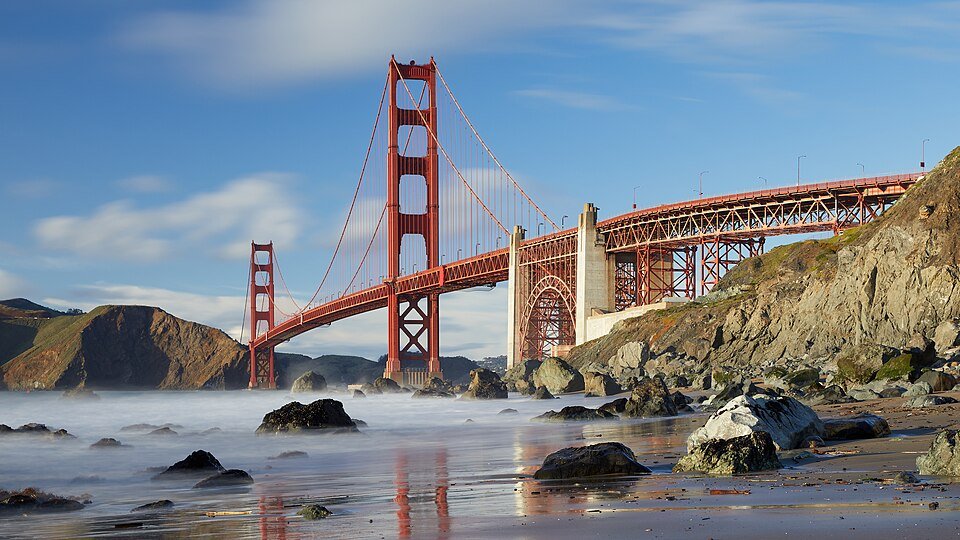
San Francisco is where the disability rights movement was born — the city's independent living movement in the 1970s helped shape the ADA. Today, SF has strong accessibility infrastructure despite its famous hills. BART and Muni Metro are accessible. All buses have ramps. Fisherman's Wharf, Pier 39, and the Embarcadero waterfront are flat and fully accessible. The Golden Gate Bridge has an accessible pedestrian path. Alcatraz offers an accessible tour. The main challenge is obvious — San Francisco's hills are extreme. But the flat neighborhoods (Embarcadero, Fisherman's Wharf, Marina, SOMA) have plenty to offer, and accessible transit handles the rest.
Getting Around
BART
The Bay Area's regional rail is fully accessible with elevators at all stations. Connects SFO airport to the city. Wheelchair spaces on all trains.
Muni (Bus & Metro)
All Muni buses have wheelchair ramps. The underground Metro has elevators at most stations. The historic cable cars are NOT wheelchair accessible, but accessible alternatives exist on every route.
Hills Strategy
Avoid trying to wheel up SF's steep hills. Use Muni buses, BART, and ride-shares to get between neighborhoods. The flattest tourist areas: Embarcadero, Fisherman's Wharf, Marina District, SOMA, and parts of the Mission. Pacific Heights and Nob Hill are extremely steep.
Major Attractions
🌉 Golden Gate Bridge
The pedestrian/bike path on the east sidewalk is flat, wide, and fully accessible. Roll across one of the world's most iconic bridges with stunning bay views. The Welcome Center and viewing areas on both sides are accessible. Parking available at both ends.
🦀 Fisherman's Wharf & Pier 39
The waterfront tourist district is flat and fully accessible. Pier 39 has accessible shops, restaurants, and sea lion viewing. The Aquarium of the Bay is accessible. Clam chowder in sourdough bread bowls from street vendors — iconic SF.
🏝️ Alcatraz Island
The ferry is accessible. Alcatraz offers a specific accessible route through the prison with an elevator to the cellhouse. The audio tour is included. One of America's most fascinating historic sites. Book weeks in advance — it sells out.
🌳 Golden Gate Park
1,000+ acres of accessible paths, museums, and gardens. The California Academy of Sciences and de Young Museum are both fully accessible. The Japanese Tea Garden has accessible paths. Botanical Garden is largely accessible.
Practical Tips
🌫️ Weather
"The coldest winter I ever spent was a summer in San Francisco" — bring layers regardless of season. Summer fog is real. September-October (Indian summer) has the best weather.
- SF Travel Accessibility (sftravel.com) — Official accessibility guide
- BART Accessibility — Station and elevator information
- Muni Accessibility — Route and station accessibility
Terrain & Surface Guide
⛰️ The Hills
SF is famous for extremely steep hills — some grades exceed 30%. Flat areas: The Embarcadero waterfront, Fisherman's Wharf, Marina District, SoMa, and Mission District main streets. Steep areas: Nob Hill, Russian Hill, Pacific Heights, Telegraph Hill. Cable cars are NOT wheelchair accessible — use the accessible bus system instead. The F-line historic streetcars along Market Street have accessible boarding.
📏 Distances
Fisherman's Wharf to Ferry Building: 2.2 mi (3.5 km) along the flat Embarcadero. Union Square to Chinatown: 1,310 ft (400 m, slight uphill). Golden Gate Bridge walkway: 1.7 mi (2.7 km) each way, flat (accessible). Golden Gate Park: 3.1 mi (5 km) long, mostly flat paths. Pier 39 to Alcatraz ferry: 0.5 mi (800 m), flat.
🚶 Step Counts
Golden Gate Bridge: Zero steps — flat walkway from the parking area. Alcatraz: Steep and stepped on the island — a SEAT (accessibility transport) tram takes visitors to the cellhouse. Coit Tower: Elevator to top — but getting TO the tower requires steep streets (taxi recommended). de Young Museum: Flat, elevator to observation tower. Exploratorium: Zero steps, fully flat. Lombard Street (the crooked one): Stairs alongside — viewable from the bottom or top without walking the street.
Sensory & Non-Mobility Access
Visual Impairment
👁️ Access
The Exploratorium is one of the world's most tactile museums — almost everything is designed to be touched. The de Young Museum and SF MOMA offer audio descriptions and touch tours. Guide dogs welcome everywhere (ADA). Muni buses and light rail have audible stop announcements. Audible pedestrian signals at major intersections. The fog horn on the Golden Gate Bridge is an iconic audio landmark.
Hearing Impairment
🦻 Access
SF Playhouse and ACT (American Conservatory Theater) offer captioned and ASL-interpreted performances. Museums have written panels in English. Muni has visual displays on light rail vehicles. BART (regional rail) has visual destination boards. Tech-forward SF means many restaurants use QR code menus and tablet ordering — minimal verbal interaction.
Sensory & Stamina
⛰️ Hill Strategy
SF's hills make it one of the most physically demanding US cities. Strategy: Stay in a flat neighborhood (Embarcadero, Marina, SoMa). Use Uber/Lyft (WAV vehicles available) for hill crossings. The Embarcadero waterfront is a beautiful, flat, multi-mile roll from the Ferry Building to Fisherman's Wharf. Golden Gate Park is flat and peaceful — the Japanese Tea Garden and Conservatory of Flowers are accessible calm zones. Fog keeps SF cool (12-18°C in summer) — you won't overheat, but bring layers.